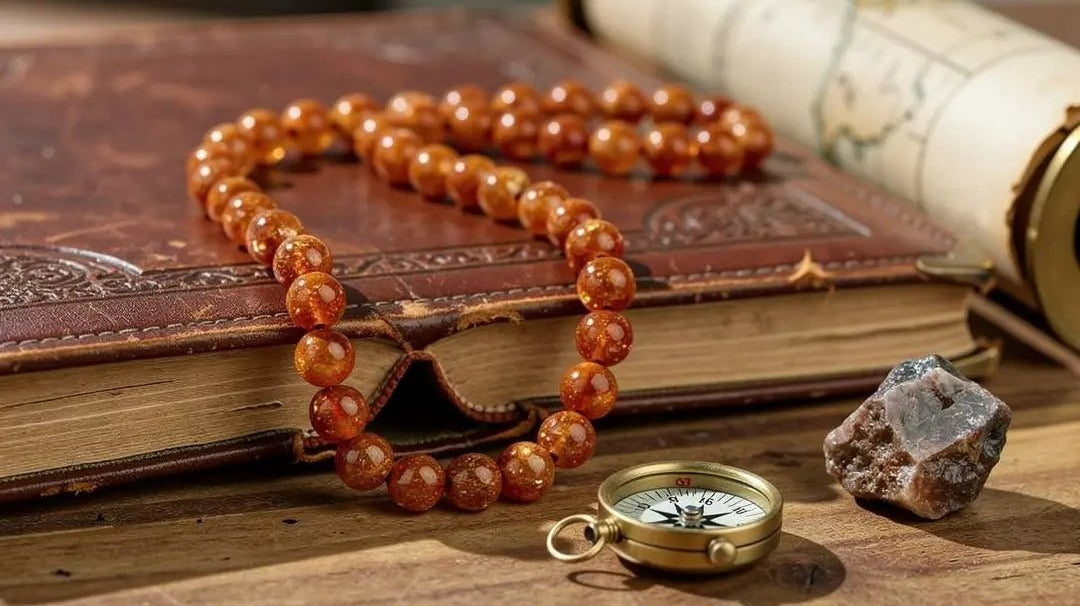
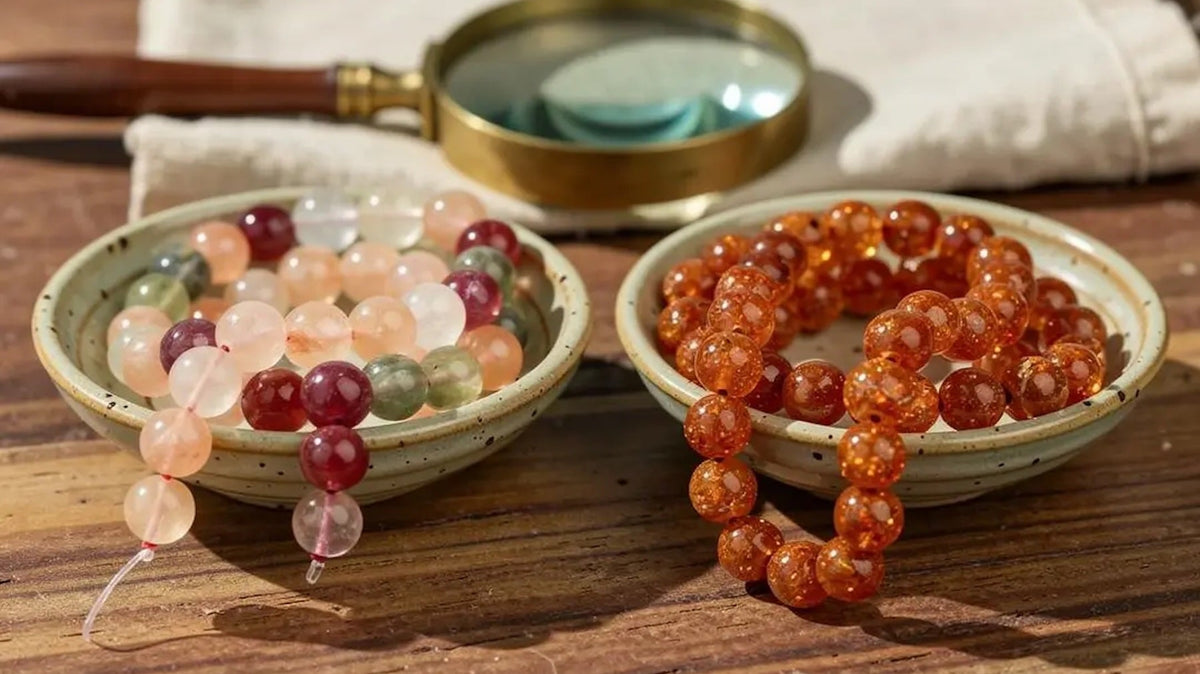
You pick up two strands of gemstone beads. At first glance, they look nearly identical: similar color, comparable finish, and maybe even a similar price point. However, one may be natural, untreated stone, while the other has been dyed, heat-treated, stabilized, or otherwise enhanced to improve its appearance.
For jewelry makers, understanding that difference matters. Treatment methods can affect everything from pricing to long-term wear to how a stone reacts to sunlight, heat, moisture, or everyday handling. Without knowing this, it becomes much more difficult to price your finished pieces accurately, provide clear care instructions, or confidently handle materials.
Treated gemstone beads aren't inherently lower quality, and natural gemstones aren't automatically the "better" choice. Each has its own role depending on your budget, goals, and intended use. In this guide, we'll discuss the most common gemstone treatments, why they're used, how they affect durability and value, and what to look for when sourcing gemstone beads from a supplier you trust.
Natural vs Treated Gemstone Beads: What the Terms Really Mean
A natural gemstone bead comes from the Earth and has only undergone standard cutting, shaping, drilling, and polishing. No additional treatments have been used to alter its color, clarity, or structural integrity. In other words, the stone's appearance reflects its naturally occurring characteristics.
However, a treated gemstone bead is still a genuine gemstone. The difference is that it has undergone additional treatments beyond basic cutting and finishing, simply to enhance or modify its appearance, durability, or marketability. This may include heat treatment, dyeing, stabilization, irradiation, coating, or resin infusion. According to the Gemological Institute of America (GIA), gemstone treatments are processes used to improve a gem's appearance, durability, or availability.
Treated doesn't mean fake or lower quality. Many common gemstone treatments are widely accepted throughout the jewelry industry. The real issue, ultimately, is transparency. As a jewelry maker, it's important to understand what you're buying—which is what we'll discuss below.
You can learn even more in our guide, "Natural, Dyed Gemstone Beads, and Heat-Treated Guide."
Natural Does Not Always Mean Perfect
Natural gemstone beads often contain inclusions, color variations, cloudy areas, matrix, and irregular patterning. This is completely normal and, often, part of their appeal. No two natural gemstones are exactly alike, which is exactly why many jewelry designers seek them out. They're perfect for one-of-a-kind or organic-feeling pieces where variation adds character and authenticity.
That said, natural does not automatically mean flawless. In fact, a gemstone that appears unusually clean, highly uniform, or perfectly saturated without explanation may warrant a closer look, depending on the material.
For your next read, visit our post: "Identify Authentic Natural Stone Beads: Testing Guide." We provide a comprehensive overview of what to expect when sourcing natural gemstone beads.
Treated Does Not Always Mean Inferior
Treated gemstone beads can offer real advantages, including more consistent color, greater availability, and lower price points compared to untreated alternatives. Some gemstone treatments are also widely accepted throughout the jewelry industry.
Heat treatment, for example, is one of the most common and broadly accepted enhancement methods, including in fine jewelry. The issue isn't the treatment itself; it's disclosure. As a jewelry maker, knowing whether a stone has been dyed, stabilized, heated, or otherwise enhanced helps you make informed sourcing decisions.
Why Gemstone Beads Are Treated in the First Place
Gemstone treatments exist for practical reasons; it's not always purely cosmetic. In many cases, they improve the stone's appearance, increase durability, expand availability, or make certain looks more accessible at lower price points. Treatments are a longstanding part of the jewelry industry, and many are widely accepted when properly disclosed.
Below, we will discuss the unique reasons gemstone beads are commonly treated in the jewelry making industry. This context helps you choose the right materials for your design, price finished pieces appropriately, and communicate with customers honestly.
Color Enhancement
Some gemstones are naturally pale, uneven in tone, or less visually saturated than many buyers expect. Treatments such as dyeing, heating, or irradiation can intensify or shift a stone's appearance, creating a more cohesive look.
That doesn't automatically make the material less desirable. However, if you're selling finished jewelry, it's important to understand whether a gemstone's color is natural or enhanced. This allows you to accurately represent what your customers are purchasing.
Durability and Wearability
Some gemstones, such as turquoise, are naturally porous, soft, fractured, or structurally delicate enough that untreated material may not perform well in everyday jewelry. Treatments such as stabilization or resin infusion can improve structural integrity, making stones more suitable for everyday wear.
More specifically, pieces such as bracelets and necklaces are often exposed to friction, moisture, skin oils, or routine handling. In these cases, treatment isn't purely cosmetic; they're necessary for functionality.
For additional information regarding natural porosity, visit our guide, "Turquoise Beads for Jewelry Making: Types, Tips, Ideas."
Affordability and Availability
Treatments can be an important factor in making specific gemstone looks significantly more accessible. Dyeing, for example, allows lower-cost materials to mimic colors that might otherwise require rarer or more expensive natural stones.
For jewelry makers, managing larger inventories, production collections, or tighter margins, that affordability can be a major advantage. The key, however, is transparency. Lower cost materials are not problematic within themselves, but knowing exactly what you're buying allows you to market your items fairly and honestly.
Heat Treatment: The Most Common Enhancement to Understand
Heat treatment involves exposing a stone to carefully controlled high temperatures to alter its color, clarity, or overall appearance. It's one of the oldest and most widely accepted gemstone enhancements in the jewelry industry. More specifically, research shows that heat treatment has been a popular practice since the 1930s.
Unlike dyeing or coating, heat treatment does not add foreign material to the stone. Instead, it changes the gemstones existing internal chemistry or crystal structure, which is why it remains broadly accepted across both commercial and fine jewelry markets.
That said, acceptance does not eliminate the need for disclosure. Heat treatment affects how a gemstone is represented and valued, particularly for buyers seeking untreated material.
How Heat Treatment Changes Gemstone Beads
Heat can intensify color, reduce unwanted tones, improve clarity, or bring out more commercially desirable hues. In fact, some of the most familiar gemstones on the market heavily rely on this process.
Naturally occurring citrine, for example, is relatively uncommon. This is why much of the citrine sold commercially is heat-treated amethyst. Additionally, tanzanite is another well-known example, as its recognizable violet-blue color typically develops through heat treatment.
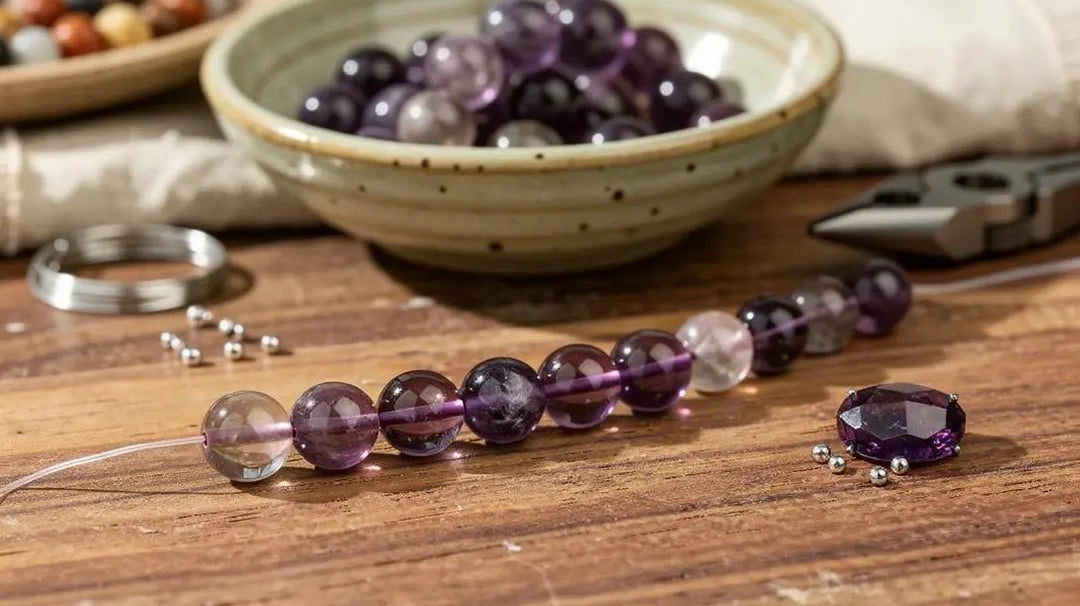
One reason heat treatment remains so widely accepted is that the results are generally considered stable under normal jewelry wear. To preview examples, visit our wide selection of Amethyst Beads.
When Heat-Treated Beads Can Be a Smart Buy
For jewelry makers prioritizing visual consistency, affordability, and durability, heat-treated gemstone beads can be an excellent option. Because this treatment is so common and broadly accepted, heat-treated stones often offer strong value without introducing the maintenance concerns associated with less stable enhancements.
The most important consideration is accurate sourcing. If you plan to market a design as natural or untreated, knowing whether a gemstone has been heated is essential.
Dyeing: Beautiful Color, But Disclosure Is Essential
Dyeing is used to enhance or alter the color of porous or absorbent gemstone materials. In many cases, stones are treated after cutting and polishing by soaking them in dye solutions that intensify, shift, or standardize their appearance.
Because the dye often concentrates closer to the surface rather than penetrating uniformly throughout the material, scratches, chips, or wear over time may reveal the stone's original color. However, dyed gemstone beads are not inherently poor-quality. Understanding the treatment is ultimately the most important factor for both design planning and accurate product representation.
You can see a more detailed example in our post, "Natural vs. Dyed Coral Beads: How to Spot the Difference."
Why Dyed Beads Appeal to Designers
Dyed gemstone beads make certain colors far more accessible than untreated material alone would allow. That makes them especially useful for coordinated collections, seasonal palettes, bold statement designs, or trend-driven color stories where consistency matters.
Some commercially available gemstone looks rely heavily on this kind of enhancement. For example, black onyx is often created by dyeing chalcedony to achieve its deep, uniform color at a more accessible price point.
Potential Concerns with Dyed Beads
Dye stability can vary significantly depending on the material and treatment quality. Some dyed beads perform well under normal wear, while others may fade with prolonged UV exposure, react to moisture or cleaning chemicals, or transfer color under certain conditions.
Because of that, dyed beads deserve more thoughtful material selection. This is especially true for pieces that see frequent skin contact, outdoor wear, or regular cleaning. Before incorporating dyed gemstone beads into everyday jewelry, consider where the finished piece will be worn, how it may be exposed to sunlight or moisture, and whether the treatment appears appropriate for long-term use.
How to Describe Dyed Gemstone Jewelry Honestly
When selling finished jewelry made with dyed beads, transparency is of utmost importance. More specifically, it's important to describe them as dyed gemstone beads rather than natural stone. While it's a seemingly small enhancement, it helps protect your reputation and set accurate expectations. When customers know what they're buying, they're much more likely to return later.
Stabilization: Strengthening Fragile or Porous Stones
Stabilization is a treatment used to reinforce softer, porous, or naturally fractured gemstones by introducing resin or another bonding agent into the material. The goal is to improve structural integrity, reduce absorbency, and make the stone more suitable for cutting, polishing, drilling, and everyday jewelry wear.
Turquoise, for example, is a commonly stabilized gemstone. Because natural turquoise is often porous and highly absorbent, untreated material can be vulnerable to discoloration from skin oils, moisture, cosmetics, and routine handling. Stabilization helps preserve appearance and improve long-term wearability, both of which are crucial to buyers.
What Stabilization Does
Stabilization can reduce crumbling, improve durability, support a smoother polish, and make gemstone beads more practical for stringing and everyday wear. However, it's important to note that it can slightly affect the bead's weight, texture, or overall feel. This isn't a drawback, though. It's simply part of understanding what you're working with.
It's also important to understand that stabilization is not the same as dyeing. While dyeing is used to alter a gemstone beads' color, stabilization is primarily intended to strengthen and preserve the material.
You can better prepare yourself for this process by reading our post, "Stone Bead Sourcing and Quality Guide."
When Stabilized Beads Make Sense
Stabilized gemstone beads can be an excellent choice when you love the look of a softer natural stone, but need materials that can withstand real-world wear. They work especially well in statement necklaces, earrings, pendants, and bracelets. Ultimately, it can be a functional and practical treatment for pieces in which untreated material might be too delicate for frequent handling.
As always, the best choice depends on the intended design. Match the material not just to the aesthetic you want, but to how the finished jewelry will actually be worn.
Why Transparent Disclosure Matters Before You Buy
Treatment disclosure affects far more than sourcing. It influences your pricing, customer communication, care instructions, and overall credibility as a jewelry maker. When a seller uses vague terminology, buries treatment details, or leaves them out entirely, you're forced to make assumptions. And ultimately, assumptions can be costly.
More importantly, in the United States, the Federal Trade Commission (FTC) requires disclosure when a gemstone treatment significantly affects value or when special care instructions apply. That disclosure must be presented clearly at the point of sale. For jewelry makers, that makes supplier transparency especially important. If treatment information is unclear, accurately representing your finished work becomes much more difficult.
It Helps You Price Finished Jewelry Accurately
Natural, heat-treated, dyed, and stabilized gemstones can carry very different market value depending on the material and treatment involved. If you unknowingly price a treated stone as if it were untreated premium material, you risk misrepresenting the piece and creating pricing inconsistencies. Clear sourcing information ultimately helps you align your pricing with the actual value of the materials you're using.
It Helps You Give Better Care Instructions
Different treatments can change how gemstone beads should be handled and maintained. Dyed or stabilized materials, for example, may require gentler care than untreated stones. This can include avoiding harsh cleansers, prolonged moisture exposure, high heat, or abrasive wear. If you don't know how a gemstone has been treated, it becomes much harder to provide accurate care guidance to customers.
It Builds Trust With Your Customers
For many handmade jewelry buyers, transparency matters just as much as design. Clear material descriptions are what help customers understand what they're buying. And ultimately, this reinforces their confidence in your craftsmanship. If honesty and thoughtful sourcing are part of your brand, accurate gemstone disclosure naturally becomes part of the customer experience.
The same transparency you expect from your suppliers is often the same transparency that your customers expect from you.
How to Spot Sellers Who Are Clear About Treatments
Trustworthy gemstone suppliers make treatment information easy to find. They don't rely on vague marketing language, force you to dig through fine print, or make disclosure something you uncover only after asking. Clear sourcing information should be part of the product description rather than a hidden detail.
Below, we will outline key details that demonstrate transparent sellers.
Look for Specific Product Language
Strong product descriptions use precise terminology such as natural, untreated, heat-treated, dyed, color-enhanced, stabilized, reconstituted, composite, or imitation. By contrast, broad terms such as genuine gemstone or real stone are far less useful.
A gemstone can still be genuine even after having undergone significant treatment. Specific disclosure is what helps you evaluate value, care requirements, and suitability.
Be Wary of Information That Is Buried or Missing
As organizations like the GIA notes, the obligation to disclose gemstone treatments has shifted from an ethical responsibility to a legal one. When treatment details are vague, incomplete, or noticeably absent, it's worth paying attention to.
Some sellers use broad descriptions that sound reassuring without actually disclosing anything meaningful. Others only provide treatment details if you ask directly. Neither approach inspires confidence. It's most important to be upfront about gemstone treatment details immediately within the purchasing description.
Ask Questions Before Buying
Before purchasing, asking these questions can help you decide the legitimacy of your purchase:
- Are these beads dyed, heat-treated, or stabilized?
- Is the color of the gemstone bead stable?
- Are there specific care requirements?
A knowledgeable supplier will answer these questions clear and confidently. However, if the answers are vague or hard to get, it's important to consider shopping elsewhere. Ultimately, your confidence, pieces, and customers deserve honesty, quality, and transparency.
The Bead Traders' Honesty Policy: A Better Way to Shop Gemstone Beads
At The Bead Traders, treatments are disclosed across our Gemstone Bead Collection. This means you don't have to hunt for information or worry about undisclosed treatments—it's right in the product description.
Moreover, our approach is backed by our 3 Promise Value Pledge, which includes a No Substation, No Downgrade Policy and an Any Piece Quality Inspection. This means that even value-priced strands mean consistent grading standards. What you see is what you get, regardless of price point.
Clear Material Information Supports Better Design Choices
When you know what you're buying, you can match beads to your design's price point, durability needs, and customer expectations. Whether you're sourcing gemstone beads, freshwater pearls, metal beads and findings, or chain by the foot, you deserve to trust the information behind every component.
A More Confident Buying Experience
When details are transparent, shopping becomes easier. You can source gemstones with confidence, knowing exactly what you're working with and how to represent your finished jewelry honestly. And with free shipping and free returns on U.S. orders over $100, it’s easier to explore new arrivals, test materials, and stock up on your favorites.
Quick Buying Guide: Choosing the Right Beads for Your Project
Not every jewelry project calls for the same type of gemstone bead. The right choice ultimately depends on your design goals, intended wear, budget, and how you plan to represent the finished piece.
However, a general guide can help you make more intentional decisions when browsing the selection. Here are more specific guidelines for choosing gemstone beads based on your project needs:
For Fine or Higher-Value Designs
If you're creating premium or artisan jewelry where premium material is a selling point, prioritize natural gemstones or clearly disclosed treated stones with transparent sourcing information.
Detailed product descriptions matter, especially if you're pricing your finished pieces at a higher level or marketing them around authenticity, rarity, or natural character. When customers are paying a premium, accurate material representation becomes part of the value.
For Everyday Jewelry
For pieces intended for frequent wear, durability should be a major consideration. Stabilized gemstone beads can be a smart choice when you prefer the look of softer, natural stones, but need better structure reliability for everyday use. However, be cautious with materials or treatments that may be sensitive to moisture, abrasion, or prolonged UV exposure. This is especially important in bracelets, rings, or other high-contract designs.
It's also important to factor care requirements into how you describe and sell the finished pieces. This can better inform clients, as well as provide total transparency that may impact their purchase.
For Color-Driven Collections
If your priority is color consistency, trend-forward palettes, or bold visual impact, treated or enhanced gemstone beads can be incredibly practical. Dyed agate, chalcedony, and similar materials can deliver vibrant, consistent shades that may be difficult, or expensive, to source naturally.
This makes them especially useful for coordinated collections, seasonal launches, or statement jewelry. Just make sure you know which treatment is involved, disclose it appropriately, and provide realistic care guidance. Doing so allows customers to extend the longevity of their pieces.
Understanding the difference between natural and treated gemstones is important for clarity, confidence, and consistency.
Natural, heat-treated, dyed, and stabilized beads all have a place in jewelry making. None of them are automatically better or worse than the others. What matters is knowing what you're working with before you design, price, and sell.
The natural vs treated gemstone beads question isn't really about which type is superior. It's about getting accurate information so you can make good decisions. That starts with your supplier. When treatment details are clear, consistent, and easy to find, you can buy with confidence, design with intention, and represent your work honestly to the people who buy it.
Browse the gemstone bead collection and new arrivals at The Bead Traders, where treatments are disclosed upfront and U.S. orders over $100 ship free with free returns.